
Key Professional Services Every Small Business Should Consider
Why the Right Professional Support Matters for Small Businesses
Running a small business requires far more than offering a good product or service. Owners are expected to manage finances, hire employees, oversee operations, maintain technology, handle taxes, and plan for growth—all while trying to keep customers satisfied. In the early stages, many entrepreneurs try to do everything themselves to save money. While this may work temporarily, it often leads to burnout, costly mistakes, and limited growth opportunities.
As a business grows, the demands become more complicated. Financial reporting becomes more detailed, compliance requirements increase, and employee management becomes more time-consuming. Instead of spreading themselves too thin, successful business owners often rely on specialized professionals who can manage these responsibilities efficiently and accurately.
Working with experienced service providers allows companies to focus on what they do best while gaining expert guidance in areas that directly affect profitability and stability. Whether it’s financial organization, hiring support, technology management, or strategic planning, the right partnerships can improve productivity and help businesses avoid expensive setbacks.
This guide explores some of the most valuable professional services small businesses should consider and explains how these experts can support long-term success.
Build a Reliable Financial System Early

One of the most common reasons small businesses struggle is poor financial organization. Without accurate records and consistent reporting, owners may not fully understand how much money is coming in, how much is going out, or where they are losing profits. Financial confusion can quickly create cash flow problems, missed payments, and poor decision-making.
Establishing a dependable financial system early allows businesses to track expenses, manage budgets, and prepare for future growth more effectively. Many companies begin by working with a local bookkeeper who can organize financial records, categorize transactions, and maintain accurate reports. This support helps business owners avoid spending valuable hours trying to manage spreadsheets or reconcile accounts on their own.
A professional who handles daily financial tracking can also identify irregularities before they become major problems. For example, duplicate expenses, late customer payments, or unusual spending patterns are easier to detect when records are updated consistently.
As a company grows, more advanced financial guidance often becomes necessary. This is where small business accounting services provide additional value. Beyond simple bookkeeping, these professionals can generate profit-and-loss statements, prepare financial forecasts, and help owners better understand the business’s financial health.
Accurate financial reporting also improves decision-making. Business owners can confidently determine when to hire new employees, expand services, invest in equipment, or reduce unnecessary expenses. Instead of making assumptions, they can rely on real financial data to guide their choices.
When selecting financial support, small businesses should look for professionals who understand their industry, communicate clearly, and offer scalable services that can grow with the company.
Prepare for Tax Responsibilities Before Deadlines Arrive
Taxes are one of the most stressful responsibilities for many business owners. Waiting until filing season to organize records often creates unnecessary pressure and increases the risk of mistakes. Missing deadlines, filing inaccurate information, or overlooking deductions can lead to penalties and financial setbacks.
The most effective approach is to prepare throughout the year rather than treating taxes as a seasonal task. Businesses should maintain organized records for expenses, payroll, invoices, receipts, and vendor payments on a monthly basis. Keeping detailed documentation not only simplifies filing but also reduces problems during audits or compliance reviews.
Many business owners benefit from hiring a tax prep service to manage filing requirements accurately and efficiently. These professionals stay updated on changing tax laws, filing deadlines, and deduction opportunities that may not be obvious to someone without specialized experience.
In addition to filing returns, strategic tax planning can help reduce unnecessary financial burdens. A knowledgeable local accountant can advise businesses on entity structure, deductible expenses, retirement contributions, and quarterly payment planning. These strategies often save businesses significant amounts of money over time.
Working with a tax professional also reduces the likelihood of costly filing errors. Mistakes involving employee classifications, deductions, or estimated payments can trigger penalties and create long-term financial complications.
When choosing a tax expert, business owners should look for someone who communicates proactively, not just during tax season. Ongoing guidance throughout the year provides far greater value than last-minute filing assistance alone.
Improve Workforce Management and Compliance
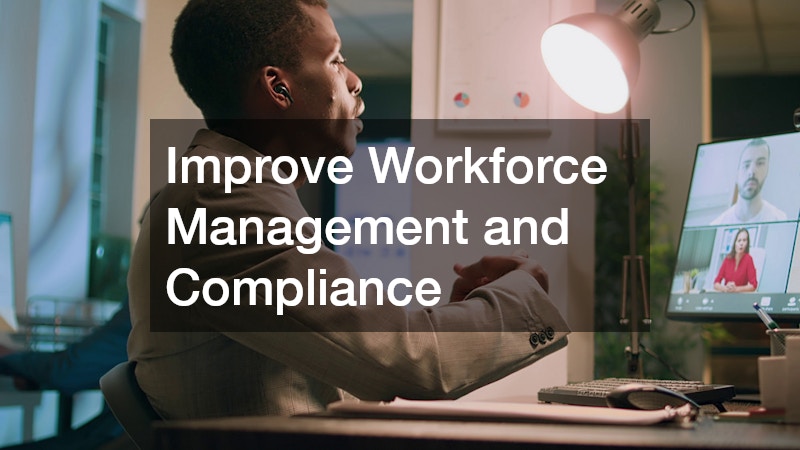
Managing employees becomes increasingly complicated as businesses grow. Hiring staff, maintaining documentation, administering benefits, and complying with labor regulations require significant time and attention. Without proper systems in place, even small mistakes can create legal or operational problems.
Many small businesses struggle to balance daily operations with employee management responsibilities. This is especially true when owners lack formal human resources experience. As teams expand, issues related to onboarding, workplace policies, employee disputes, and benefits administration become more common.
Outsourcing workforce management can help businesses reduce administrative stress while improving compliance and employee satisfaction. Many companies turn to PEO services for small business support because these providers handle a wide range of HR-related responsibilities. This often includes payroll administration, benefits management, workers’ compensation, and compliance assistance.
Using a PEO can give small businesses access to resources that are typically available only to larger organizations. Employees may gain access to better benefits packages, training resources, and HR support systems, which can improve retention and workplace morale.
In addition to broader HR outsourcing, hr consultants can help businesses develop stronger internal policies and procedures. These professionals assist with employee handbooks, hiring practices, conflict resolution strategies, and leadership training programs.
Strong HR systems create a more organized and professional workplace. Employees are more likely to stay with companies that communicate clearly, provide structured processes, and handle workplace concerns effectively.
Before choosing HR support services, businesses should assess their biggest challenges and identify which responsibilities consume the most time internally. This helps ensure they select the right level of support for their organization.
Strengthen Operations With Better Technology Support
Technology plays a major role in nearly every aspect of modern business operations. From communication and data storage to cybersecurity and customer management, businesses depend heavily on reliable systems every day. Unfortunately, many small companies overlook technology planning until problems begin affecting operations.
Slow computers, outdated software, network failures, and cybersecurity threats can disrupt productivity and damage customer trust. In some cases, businesses lose valuable data or experience significant downtime because preventative measures were never implemented.
Professional IT services help businesses build stable, secure, and efficient technology systems. These providers can manage software updates, monitor networks, protect sensitive data, and troubleshoot technical problems before they escalate into larger issues.
Cybersecurity has become especially important for small businesses because cybercriminals often target organizations with weaker protections. Even a single security breach can result in financial losses, reputational damage, and legal complications. Technology professionals can implement firewalls, backup systems, password protocols, and employee security training to reduce these risks.
Beyond security, reliable technology improves overall efficiency. Employees can collaborate more effectively, access cloud-based systems securely, and communicate without constant technical interruptions. Automated systems can also reduce repetitive tasks and improve workflow consistency.
Businesses should not view technology support as an optional expense. Instead, it should be considered a long-term investment in operational stability and customer confidence. Choosing the right technology partner involves evaluating response times, security expertise, scalability, and industry experience.
Simplify Compensation and Employee Payments
Managing employee compensation accurately is essential for maintaining trust and ensuring compliance with labor regulations. Unfortunately, payroll mistakes are more common than many business owners realize. Incorrect wages, tax calculation errors, late payments, or missing records can quickly damage employee morale and create legal problems.
As businesses grow, payroll becomes increasingly complicated. Employers may need to handle overtime calculations, benefits deductions, tax withholdings, direct deposits, and reporting requirements across multiple employees or locations.
Outsourcing payroll services can significantly reduce administrative workload while improving accuracy. Professional payroll providers use automated systems that minimize human error and ensure payments are processed on time. This consistency helps businesses maintain positive relationships with employees and avoid penalties related to payroll tax filings.
Modern payroll platforms often include additional features such as employee self-service portals, automated tax reporting, time-tracking integration, and digital record storage. These tools streamline administrative tasks and improve organizational efficiency.
Accurate payroll management also supports better financial planning. Business owners can monitor labor costs more effectively, prepare for seasonal fluctuations, and forecast future staffing expenses with greater confidence.
When selecting a payroll provider, businesses should prioritize reliability, compliance expertise, customer support, and software integration capabilities. Choosing a scalable system ensures payroll processes remain efficient as the company continues growing.
Find Better Employees Through Strategic Hiring

Hiring the right employees is one of the most important factors in long-term business success. Strong employees improve productivity, strengthen customer relationships, and contribute to positive workplace culture. However, recruiting qualified candidates can be difficult and time-consuming, especially for small businesses competing with larger companies.
Many business owners rush through the hiring process when they urgently need help. Unfortunately, poor hiring decisions often lead to high turnover, inconsistent performance, and additional recruitment costs.
A recruiting agency can help businesses identify qualified candidates more efficiently while improving overall hiring quality. Recruiters typically maintain large talent networks and understand how to evaluate candidates based on experience, skills, and cultural fit.
Using professional recruiters can also shorten hiring timelines. Instead of spending weeks sorting through resumes and conducting preliminary screenings, businesses receive a smaller pool of highly qualified applicants. This allows managers to focus their attention on final interviews and strategic decision-making.
Recruiters are particularly valuable when filling specialized or hard-to-staff positions. They understand industry hiring trends, salary expectations, and competitive recruiting strategies that help businesses attract stronger candidates.
In addition to finding employees, recruiters often provide guidance on job descriptions, interview processes, and compensation structures. These insights help businesses create more appealing opportunities for potential hires.
Companies should view hiring as a long-term investment rather than a short-term task. Taking time to improve recruitment strategies leads to better retention, stronger team performance, and lower turnover costs over time.
Create a Long-Term Strategy for Financial Stability
Many business owners focus so heavily on day-to-day operations that they neglect long-term planning. While managing immediate responsibilities is important, sustainable growth requires a broader financial strategy that supports future goals and protects the business during economic uncertainty.
Long-term planning involves more than increasing revenue. Businesses must also consider retirement preparation, investment strategies, emergency reserves, succession planning, and risk management. Without clear financial direction, companies may struggle to grow consistently or recover from unexpected challenges.
Working with financial planners can help business owners develop structured strategies for both personal and business financial goals. These professionals evaluate income, expenses, assets, liabilities, and long-term objectives to create customized financial plans.
Financial planning can help businesses prepare for expansion opportunities, equipment investments, or future ownership transitions. It also provides clarity regarding budgeting priorities and risk tolerance.
Many small business owners overlook retirement planning because they prioritize reinvesting money back into operations. However, long-term financial security is essential for both personal stability and business continuity. Professional advisors can help owners balance growth investments with future savings goals.
In addition to planning for growth, businesses should maintain emergency funds and contingency strategies. Economic downturns, supply chain disruptions, or unexpected expenses can quickly destabilize companies that lack financial preparation.
The most effective financial strategies are proactive rather than reactive. Businesses that regularly review goals, monitor performance, and adjust plans as conditions change are typically better positioned for long-term success.
Investing in Expert Support Creates Stronger Businesses

Small business owners often wear many hats, especially during the early stages of growth. While independence and flexibility are valuable qualities, trying to manage every responsibility alone eventually becomes unsustainable. Financial management, hiring, technology oversight, compliance, and strategic planning all require specialized expertise that can directly affect business performance.
Professional service providers offer more than convenience. They help businesses improve efficiency, reduce costly mistakes, strengthen operations, and prepare for long-term growth. By outsourcing complex responsibilities to trusted experts, owners can focus more energy on serving customers, building relationships, and growing their businesses strategically.
The right support systems also create greater stability during periods of growth or uncertainty. Businesses that invest in strong financial systems, organized operations, reliable technology, and effective workforce management are often more adaptable and resilient over time.
Rather than waiting for problems to arise, small business owners should evaluate their current operations and identify areas where professional guidance could create meaningful improvements. Investing in the right expertise today can save significant time, money, and stress in the future while positioning the business for lasting success.