Expanding Your Real Estate Business Starting With Infrastructure
For real estate entrepreneurs, developers, and property managers, scaling a business is often associated with client acquisition, deal sourcing, and portfolio diversification. However, the foundational backbone of sustainable expansion lies within physical infrastructure and facilities maintenance. Whether managing a portfolio of multi-family residential complexes, retail strip centers, or industrial warehouses, the integrity of your operational assets directly influences tenant retention, property valuation, and operational risk. Prioritizing capital improvements and establishing robust service relationships creates a scalable operational framework that supports long-term commercial growth.
Building a Scalable Property Portfolio

Scaling a real estate enterprise requires moving beyond opportunistic acquisitions toward structured operations. Physical assets require constant oversight, and as a portfolio grows, informal maintenance arrangements quickly become liabilities. Establishing dedicated infrastructure management ensures that every site in your portfolio maintains its market value, remains compliant with municipal codes, and provides a safe environment for occupants.
-
Conduct thorough physical audits before finalizing property acquisitions to understand true facility management costs.
-
Create centralized digital records for all maintenance logs, warranties, and service agreements across your portfolio.
-
Establish standard operating procedures for routine inspections to identify small facility issues before they escalate.
Invest in Core Facility Upgrades Early
Early-stage investments in structural asset management prevent compounding repair costs later in the expansion cycle. When acquiring new properties, perform comprehensive assessments of load-bearing elements, outer envelopes, and foundational integrity before allocating capital to cosmetic renovations. Structural readiness ensures that your properties can handle higher tenant density and increased operational demands as your business scales.
-
Prioritize structural integrity, plumbing networks, and heavy electrical infrastructure over aesthetic improvements.
-
Allocate a dedicated percentage of gross rental revenue into a capital expenditure reserve fund for future updates.
-
Install sub-metering systems to track utility usage accurately across individual commercial or residential units.
Partner With Specialized Trade Professionals
Building a reliable network of licensed trade specialists is crucial for maintaining operational continuity across multiple locations. Rather than relying on general handymen for complex systems, establish ongoing service agreements with trade experts. Securing reliable electrical contractors ensures that your properties meet modern power requirements, pass safety inspections, and adapt to high-demand equipment upgrades.
-
Vet service providers thoroughly for licenses, active insurance coverage, and industry references before signing contracts.
-
Negotiate service-level agreements that guarantee emergency response times for critical property outages.
-
Consolidate trade vendor relationships across multiple properties to leverage bulk pricing and preferred service scheduling.
Optimizing Building Envelopes and Perimeter Security
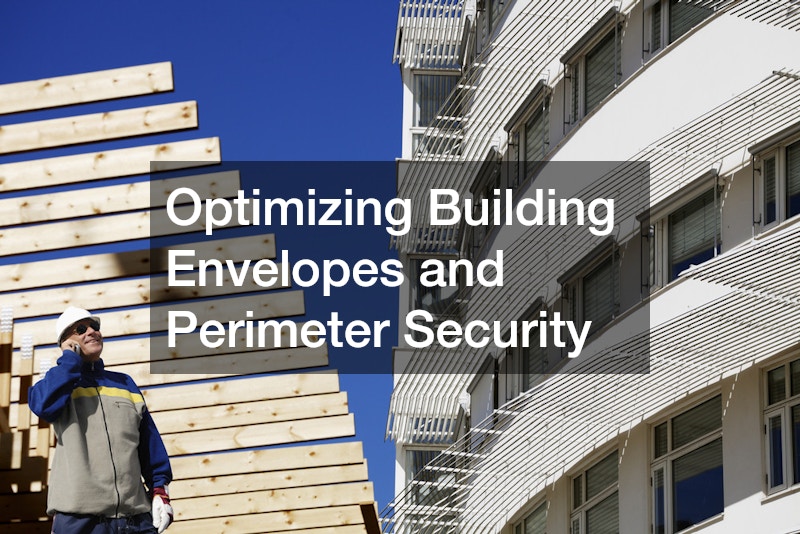
The perimeter and outer shell of a commercial property serve as the first line of defense against environmental degradation, security breaches, and energy loss. Maintaining high structural standards at the perimeter protects interior assets and enhances overall property appeal.
-
Inspect exterior walls and foundation perimeters annually for signs of settling, cracking, or water infiltration.
-
Design clear signage and lighting schemes along property boundaries to guide traffic and deter trespassers.
-
Ensure all perimeter access gates integrate seamlessly with central security and tenant monitoring systems.
Enhance Site Boundaries and Access Points
Securing property boundaries helps manage liability, control site access, and improve aesthetics for prospective tenants. When designing perimeter controls, consult reputable fence companies to select materials and structures that align with local zoning laws, security requirements, and architectural styles. Proper boundary management establishes clear domain boundaries and deters unauthorized access across commercial sites.
-
Select durable materials such as commercial grade aluminum or chain link tailored to property usage and local climate.
-
Implement controlled entry points for service vehicles to keep tenant traffic flowing smoothly during peak hours.
-
Schedule bi-annual perimeter inspections to repair sagging sections, damaged posts, or compromised locking mechanisms.
Streamline Automated Entry Systems
For properties requiring gated entry, automated systems must balance high-traffic efficiency with strict security protocols. Investing in commercial gate installation provides automated access control, tracks visitor volume, and reduces manual security overhead across multi-tenant complexes or industrial facilities.
-
Install optical or loop sensors to prevent gate arms from closing prematurely on tenant or delivery vehicles.
-
Provide mobile app or key fob access options to streamline entrance procedures for verified occupants.
-
Integrate battery backup power systems to ensure gates remain operational during municipal power outages.
Maintain Entryways and Driveways
Heavy vehicle traffic, environmental weathering, and daily wear can rapidly degrade driveways, foundations, and loading zones. Utilizing commercial concrete pumping allows property managers to complete high-volume structural pouring and slab repairs efficiently, ensuring smooth transportation paths for tenants and logistical partners.
-
Seal expansion joints regularly to prevent moisture penetration and freeze-thaw cracking in heavy vehicle areas.
-
Schedule major concrete pouring during off-peak operational hours to minimize disruption to tenant business operations.
-
Grade surrounding landscape elements away from concrete pads to ensure proper stormwater drainage.
Enhancing Exterior Systems and Roofing Maintenance
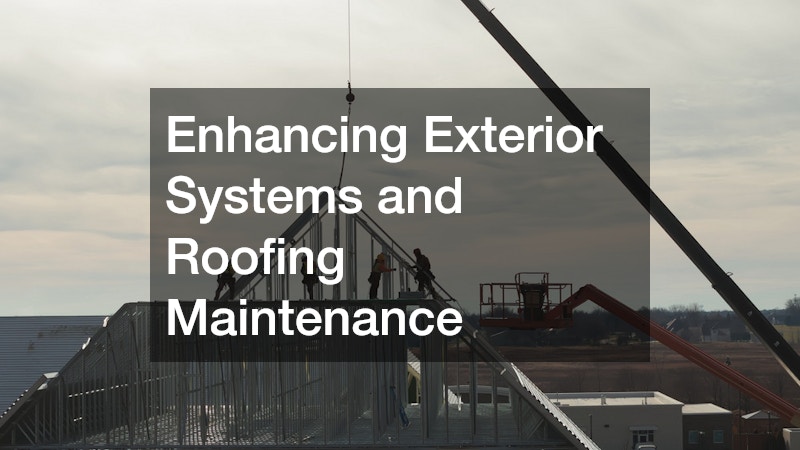
Roofing and exterior building envelopes require proactive upkeep to avoid catastrophic structural water damage, interior mold growth, and premature asset depreciation. A robust exterior maintenance strategy protects your financial investments against volatile weather conditions.
-
Implement scheduled clearing of flat roof drains, gutters, and downspouts to prevent hazardous water pooling.
-
Inspect thermal imaging reports on commercial roofs to catch trapped moisture before visible leaks appear indoors.
-
Keep detailed records of all roof repair work to support future insurance claims and warranty coverage validation.
Establish Regular Inspection Schedules
Roofing systems should undergo formal evaluations at least twice a year and immediately following major storm events. Working alongside local commercial roofers allows property owners to identify hidden leaks, clear drainage pathways, and patch minor membrane tears before they evolve into costly structural failures.
-
Establish post-storm rapid response protocols with roofing professionals to address emergency damage right away.
-
Apply reflective elastomeric coatings to extend roof lifespans and lower overall solar heat absorption.
-
Verify that rooftop equipment mounts are properly flashed to maintain the integrity of the primary roof membrane.
Manage Thermal Performance and Sunlight Exposure
Interior climate management begins at the building envelope. Controlling light intake through high-traffic windows reduces interior heat gain and protects tenant interiors from severe sun degradation. Installing durable commercial window blinds helps regulate interior temperatures, reduces HVAC strain, and provides privacy for business tenants operating within office spaces.
-
Choose motorized or automated window treatment systems that adjust based on daylight intensity and sun position.
-
Select flame-retardant and easy-to-clean window fabrics designed specifically for heavy commercial application.
-
Align interior window treatments with outer building elevation standards to maintain a consistent uniform appearance.
Streamlining Interior Systems and Climate Oversight
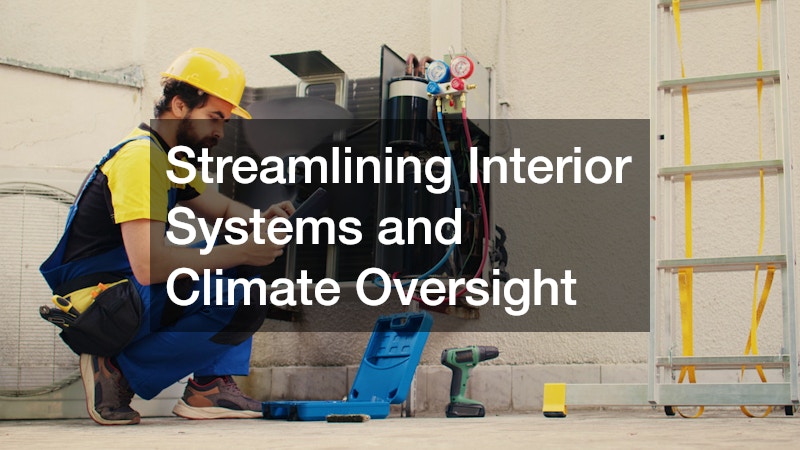
Interior comfort and functional utility drive tenant satisfaction and lease renewal rates. Mechanical systems must operate at peak efficiency to maintain acceptable indoor environmental quality while keeping operational utility expenses low.
-
Replace mechanical system air filters quarterly to maintain interior air quality and prevent motor strain.
-
Upgrade older pneumatic control systems to modern digital building management frameworks for remote monitoring.
-
Implement scheduled duct cleaning to reduce dust accumulation and lower allergen levels throughout the property.
Prioritize Mechanical System Efficiency
Heating, ventilation, and air conditioning units represent significant capital investments and ongoing operational expenditures. Implementing routine commercial hvac maintenance ensures proper airflow, optimal energy usage, and extended equipment lifespans across large commercial floor plans.
-
Track seasonal energy consumption metrics to detect sudden performance drops in mechanical climate units.
-
Install programmable smart thermostats across common areas to eliminate heating and cooling waste off-hours.
-
Keep clear access space around rooftop and ground-level mechanical units to facilitate quick technician repairs.
Ensure Reliable Fuel and Energy Supply Chains
For commercial facilities that rely on alternative energy sources for heating, backup power, or specialized operational equipment, energy supply consistency is paramount. Securing supply agreements for commercial and industrial propane guarantees uninterrupted power and heating capabilities, even during peak grid demand or weather emergencies.
-
Conduct scheduled checks on storage tanks, safety valves, and fuel delivery lines to prevent hazardous leaks.
-
Monitor fuel levels using automated telemetry systems to ensure automatic tank refills before supply runs low.
-
Maintain clear vehicle clearance around storage vessels to allow seamless access for delivery tanker trucks.
Securing Assets and Managing Physical Access
Property security encompasses both structural integrity and administrative access management. As your footprint expands, managing key control, access credentials, and heavy entry points becomes an operational imperative.
-
Perform comprehensive security audits whenever taking over existing properties or onboarding new tenant bases.
-
Install high-definition security cameras at primary property entry points, loading docks, and exterior corridors.
-
Implement centralized access management software to instantly grant or revoke tenant access permissions remotely.
Upgrade Key and Access Control Protocols
Managing entry rights for changing tenant rosters requires professional oversight. Contracting commercial locksmiths provides proper key rekeying, master key system design, and electronic access integration to maintain strict security across all functional zones of your real estate portfolio.
-
Design a tiered master key framework that limits vendor access strictly to relevant maintenance utility areas.
-
Replace mechanical deadbolts with commercial keyless touchpads on high-frequency turnover rental units.
-
Maintain a secure hardware log that tracks every physical key issued to employees, contractors, and tenants.
Maintain Industrial and Overhead Access Points
Properties featuring bay doors, storage facilities, or loading docks rely heavily on functional entry hardware. Scheduling prompt commercial overhead door repair minimizes operational downtime for commercial tenants, prevents safety hazards, and restores physical security after hardware malfunctions.
-
Perform monthly lubrication and alignment checks on high-use overhead door tracks, springs, and roller cables.
-
Train property maintenance staff to perform basic visual safety tests on auto-reverse safety sensors weekly.
-
Keep common spare wear-and-tear door components stocked on-site to speed up emergency repair timelines.
Developing Long-Term Operational Frameworks
Sustaining rapid portfolio growth requires shifting from reactive maintenance to automated, long-term asset management strategies. Setting up predictable maintenance cycles minimizes emergency service costs and provides accurate data for future financial planning.
-
Establish standardized facility checklists for spring and winter weather transition prep across all sites.
-
Leverage facilities management software to automate work order creation, assignment, and vendor tracking.
-
Review annually the lifetime performance data of all major physical assets to optimize replacement timing.
Implement Preventive Asset Replacements
Waiting for equipment or structural components to fail before replacing them damages tenant trust and inflates repair costs. Establishing proactive equipment retirement schedules allows property owners to budget for capital replacements years in advance, avoiding unexpected cash flow bottlenecks.
-
Calculate expected useful life values for every mechanical, electrical, and structural component in your inventory.
-
Group replacement projects together geographically to negotiate better material and contractor rates.
-
Leverage manufacturer warranties and rebates to offset the capital costs of high-efficiency equipment upgrades.
Standardize Tenant Maintenance Requests
Clear communication processes between tenants and facility management prevent minor complaints from escalating into costly legal disputes or lease defaults. Providing transparent channels for work order submissions improves tenant satisfaction and accelerates response times.
-
Deploy an easy-to-use tenant portal accessible via desktop and mobile devices for instant maintenance ticketing.
-
Establish clear priority tiers that categorize maintenance requests by urgency, safety risk, and financial impact.
-
Follow up with tenants after completed repair visits to ensure work met expectations and maintain goodwill.
Optimizing Financial Allocation for Capital Projects
Long-term portfolio viability requires balancing immediate maintenance needs with targeted capital investments. Strategic capital planning ensures that every dollar spent directly enhances property valuation, decreases operating expenditure, or mitigates organizational liability.
-
Align physical improvement schedules with debt refinancing windows to unlock favorable lending terms.
-
Evaluate energy efficiency retrofits through clear return-on-investment benchmarks based on utility reductions.
-
Conduct life-cycle cost analyses before choosing between component repair and total unit replacement.
Leverage Tax Incentives and Depreciation Schedules
Commercial property owners can optimize capital planning by fully utilizing tax strategies linked to facility upgrades. Energy-efficient building improvements, structural modernizations, and mechanical system overhauls often qualify for substantial tax deductions, grants, or accelerated depreciation schedules.
-
Consult qualified real estate tax professionals to perform cost segregation studies on newly acquired sites.
-
Identify federal, state, and local energy efficiency rebates before committing capital to major upgrades.
-
Document all structural and mechanical capital improvements thoroughly to maximize year-end tax depreciation calculations.
Align Facility Upgrades With Tenant Lease Structures
Structuring lease agreements to reflect infrastructure investments aligns incentives between property owners and commercial tenants. Net lease structures, for example, allow building owners to pass certain operational maintenance efficiencies directly through to occupants, creating mutual financial value.
-
Structure commercial leases with transparent maintenance pass-through clauses for shared common spaces.
-
Offer customized tenant improvement allowances for long-term lease commitments to share build-out expenses.
-
Highlight modern infrastructural reliability as a premium selling point during lease renewal negotiations.
Expanding a real estate business starting with infrastructure transforms physical properties into resilient, high-performing assets. By prioritizing perimeter security, structural maintenance, climate efficiency, and access control, property owners establish a stable operational floor. Building long-term relationships with qualified trade specialists reduces emergency maintenance expenses, improves tenant retention, and supports continuous portfolio growth. Investing in facility management infrastructure today ensures your real estate enterprise remains scalable, profitable, and secure for years to come.